
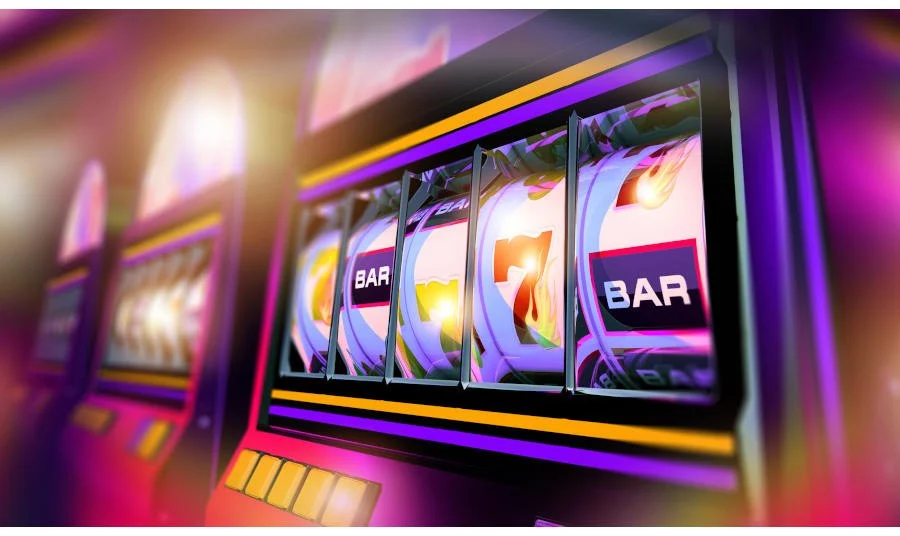
The term Slot evokes bright lights, spinning reels, and the lure of jackpots. But beyond the glitz, there is a rich history, complex design, and layered psychology. In this article, we explore how “slot” machines evolved, how they operate today, and what makes them tick—both technically and in human behavior.
Origins and Historical Evolution
Early roots: pre-slot contraptions
Long before modern gambling machines, coin-operated devices existed in various forms. One often-cited ancestor is the mechanism created by Hero of Alexandria in the first century, where placing a coin triggered a valve to dispense a fixed amount of holy water. This early “slot” device ensured fairness in distribution in temple settings.
By the late 19th century, arcade and novelty machines were already a fixture in bars and saloons. Some offered racing animations or mechanical displays; others rewarded patrons with cigars, drinks, or small trinkets. These were more curiosity machines than true gambling devices.
First true slot machines
In 1891, Sittman and Pitt in Brooklyn designed a machine with five drums and 50 card faces. Players would drop a nickel, spin the drums, and try to form poker hands. Prizes weren’t machine-paid but rather given by the establishment (free drinks, cigars, etc.). To increase the house edge, two cards (ten of spades and jack of hearts) were removed from the deck, halving the chance of a royal flush.
Then came Charles August Fey in San Francisco. His invention of the Liberty Bell machine (around 1898) refined the concept: three spinning reels, five symbols (horseshoes, spades, hearts, diamonds, and the Liberty Bell), and an automatic payout for matching combinations. Getting three Liberty Bells paid the top reward. Because Fey could not patent his machine (gambling was illegal in California), many imitators followed.
Over time, slot machines spread across saloons, casinos, cigar shops, and barber shops. The themes evolved—the “fruit” symbols like cherries, lemons, and plums became common, partly due to ties with fruit-flavored gum promotions.
From mechanical to electronic
By the 1960s, electromechanical designs began replacing purely mechanical ones. Bally’s Money Honey in 1963, for example, introduced automatic coin payout up to 500 coins and eliminated the need for an attendant to manually deliver coins.
The 1970s ushered in video slot machines: using a color display and logic boards rather than physical spinning reels. The first of these appeared in Las Vegas by Fortune Coin Co. in 1976. These video machines allowed designers far more flexibility in themes, bonus rounds, and payline designs.
In the 1990s and beyond, slot machines increasingly moved to digital, networked platforms, enabling features like progressive jackpots (where multiple machines share a common prize pool), remote payout adjustments, and immersive animations.
Anatomy of Modern Slot Machines
Understanding how modern slots operate involves both hardware and software elements. Below are the key components and concepts.
Key components
- Reels / Virtual Reels
Early machines had physical reels with discrete symbol stops. Modern machines use virtual reels, which are simulated stops in software. A reel could have dozens or even hundreds of virtual stops—even though only a subset is visible to players. - Random Number Generator (RNG)
At the core of every slot is a pseudorandom number generator. Every spin is determined by the RNG, which selects a stop on each reel (real or virtual). The outcome is computed before any visual reel “spin” begins, ensuring the result is effectively instantaneous and random (within the algorithm). - Paytable / Payout Logic
The paytable defines how wins are awarded depending on symbol combinations and bet amounts. Some wins require alignment on specific “paylines”; others (scatter wins, cluster pays) may pay regardless of position. - Bonus Rounds and Special Features
Many slots feature secondary games—free spins, pick-and-choose rounds, multiplier modes, expanding wilds, or cascades. These enhance engagement and can shift house edge dynamics temporarily. - Progressive link / Linking mechanisms
Progressive slots link multiple machines to feed into a shared jackpot. The machines share a database of contributions and track the jackpot centrally. - Cabinet, Interface, and I/O
Includes the physical machine shell, display screen(s), button / touchscreen interface, coin or ticket acceptors, payout hoppers (if coin based), and networking connections.
Probability, Return to Player (RTP), and Volatility
- Return to Player (RTP)
The RTP is the average percentage of total wagers the machine returns to players over the long run. For example, an RTP of 95% means that, on average, for every $100 wagered, the machine returns $95 in winnings (long term). Regulatory jurisdictions often set minimum RTP thresholds. - Volatility / Variance
Volatility describes the risk level of a slot:- Low volatility slots pay small wins frequently but rarely offer a large jackpot.
- High volatility slots pay large jackpots but less frequently, with long durations of no wins.
Designers balance RTP with volatility to achieve a desired player experience.
- Symbol weighting and virtual stops
Even if a symbol appears once visually on a reel, behind the scenes it may occupy many virtual stops, altering its actual probability. This decoupling of visual representation and probability gives designers flexibility in shaping outcomes.
Advanced designs
- Megaways / avalanche / cascading reels
Some modern slots use dynamic row and reel systems (e.g. “Megaways”) where the number of symbols per reel changes per spin, yielding thousands of ways to win. Cascading or avalanche mechanics remove winning symbols and drop new ones down, creating chain reactions. - Cluster pays / ways to win systems
Instead of relying on fixed paylines, cluster pays or “ways to win” systems grant wins when matching symbols cluster or appear in adjacent reels regardless of position. - Remote configuration / central control
Casinos and regulators increasingly allow remote changes to payout percentages or features, though such changes often must satisfy cooling-off or downtime requirements for fairness.
The Psychology and Business of Slots
Slots are not just engineering marvels—they are carefully crafted to engage players psychologically, drive revenue, and manage risk.
Player engagement and “near misses”
Many slot machines employ near miss designs (showing nearly winning combinations visually), which elicit excitement even in loss. Cognitive research shows that near misses can be nearly as stimulating as actual wins.
“Losses disguised as wins” occur in multi-line games when a player’s bet across multiple lines results in a “win” on a different line that is less than the total wager. Although the net is a loss, the machine may flash celebratory visuals or sounds to suggest a win, reinforcing engagement.
The “machine zone” and immersion
Players often enter a state of deep focus or dissociation, where time, money, and surroundings fade—this is sometimes called the “machine zone.” Sensory design (sound, visuals, touch) is optimized to support this state.
House edge and profitability
The business model of slot operations depends on the house edge (the complement of RTP). Because many players wager small amounts over long periods, even a few percentage points of edge translate to substantial profit for operators. Slots are typically the primary profit driver on casino floors—often accounting for a large portion of total revenue.
Risk, addiction, and regulation
Slots have one of the highest potential for problematic gambling behavior. In some observational studies, slot players reach problem levels faster than table game players. Regulators often mandate measures like maximum bet limits, loss limits, session timers, or warnings. Responsible gambling tools (self-exclusion, deposit limits) are increasingly standard.
Regulation, Integrity, and Ethics
Because slot machines deal with real money and risk, stringent oversight is essential to preserve trust and fairness.
Licensing and oversight
States or countries typically require gaming licenses, audits, and inspections. Regulators may approve the RNG algorithm, software version, and payout characteristics. Some jurisdictions require certification by independent testing labs.
Detecting tampering and fraud
Early mechanical machines were susceptible to mechanical hacks (e.g. light tricks to fool coin sensors). Modern machines are heavily secured—hardware and software are sealed; firmware integrity is checked frequently; tamper sensors and auditing logs track anomalies.
Jackpot disputes and errors
Software bugs or malfunctions can sometimes cause erroneous jackpots. In legal disputes, casinos may challenge the displayed amount, citing the actual programmed logic. Some states require honoring displayed amounts unless proven fraud.
Inter-casino progressive systems
When machines are linked across venues or states, regulation ensures pooled jackpot transparency, auditing of contributions, and fairness in distribution.
Types of Slot Machines
Slots have branched into many genres and formats. Below are common categories:
- Classic / three-reel slots – Nostalgic, simple design, limited paylines, basic gameplay.
- Video slots (5+ reels) – Rich graphics, bonus features, multiple paylines, advanced themes.
- Progressive slots – Linked jackpot pools across machines or networks.
- Branded / themed slots – Licensed from movies, TV, pop culture, sports, etc.
- Megaways / dynamic reel slots – Variable reel sizes and massive numbers of ways-to-win.
- Cluster / grid slots – Winning by grouping symbols rather than matching on fixed lines.
- Hybrid / skill-influenced slots – Some slots experiment with player input or skill-influenced features (though the core RNG remains dominant).
Real-World Considerations for Players and Operators
Player strategies and misconceptions
Because each spin is independent, no strategy can reliably predict outcomes. However, players often:
- Set bankroll limits and session goals
- Choose low volatility for leisure play, high volatility for risk
- Opt for higher RTP machines (when known)
- Use rewards programs or slot club benefits
Slot floor management
Operators analyze metrics like spins per hour, drop (coins in), hold (house win), session length, machine placement, and adjacency. They rotate or refresh games to maintain novelty and manage return rates.
Trends shaping the future
- Mobile and online slot integration
- Skill-based features or mini-games
- Cashless and digital currency integration
- Adaptive game algorithms (visible difficulty changes)
- Augmented reality or immersive UX designs
Frequently Asked Questions (FAQ)
Q1: Does playing “cold” or “hot” machines matter?
No. Because every spin is independent, past outcomes have no bearing on future ones. A machine that hasn’t paid in a long time is not “due” to pay.
Q2: How fast can a slot “rip off” players?
Slots often run many spins per minute. Over time, with small losses per spin, they can steadily deplete a player’s bankroll—especially under high volatility.
Q3: Are online (digital) slots equally safe?
Yes, as long as the platform is licensed and audited. Reputable online casinos use certified RNGs and publish RTPs. But unregulated sites risk unfairness.
Q4: Can you cheat a modern slot?
Modern machines are very secure. Firmware is sealed, tamper sensors exist, and integrity checks occur. Physical or software hacks carry high legal risk.
Q5: What is the difference between RTP and hit frequency?
RTP is the long-term average return to players. Hit frequency is how often a slot gives some win (however small). A game might have a high hit frequency but low payouts, or vice versa.
Q6: How do casinos set RTPs legally?
Casinos or manufacturers propose RTP settings within regulatory bounds, then submit them for approval. Changing them often requires lockouts and transparent announcements.
By tracing its history, internal logic, psychological design, and regulatory landscape, we see that Slot machines are far more than flashing reels. They are sophisticated systems balancing chance, profit, and player engagement. Let me know if you’d like a deeper technical breakdown or a focus on online slot game ecosystems.
